Culture
Traditional Indian Embroidery Styles: A Guide to India's Stitch Heritage
A warm, practical guide to traditional Indian embroidery styles, from chikankari and phulkari to kantha, zardozi, kasuti and Kutch work, and how to recognise each one.
By Harshit Soni · Published · Updated
Traditional Indian embroidery styles include chikankari from Lucknow, phulkari from Punjab, kantha from Bengal, zardozi metallic work, kasuti from Karnataka and the mirror-rich community embroidery of Kutch in Gujarat. Each style is defined by its region, stitches, threads and motifs, and most are still practised by artisan communities who pass the skills down through generations.
Open almost any family trunk in India and you will find a story told in thread. A grandmother's white kurta with shadowy flowers, a wedding dupatta heavy with gold, a soft quilt made from old saris. Traditional Indian embroidery styles are some of the richest textile traditions in the world, and each one carries the landscape, community and history of the place it grew up in.
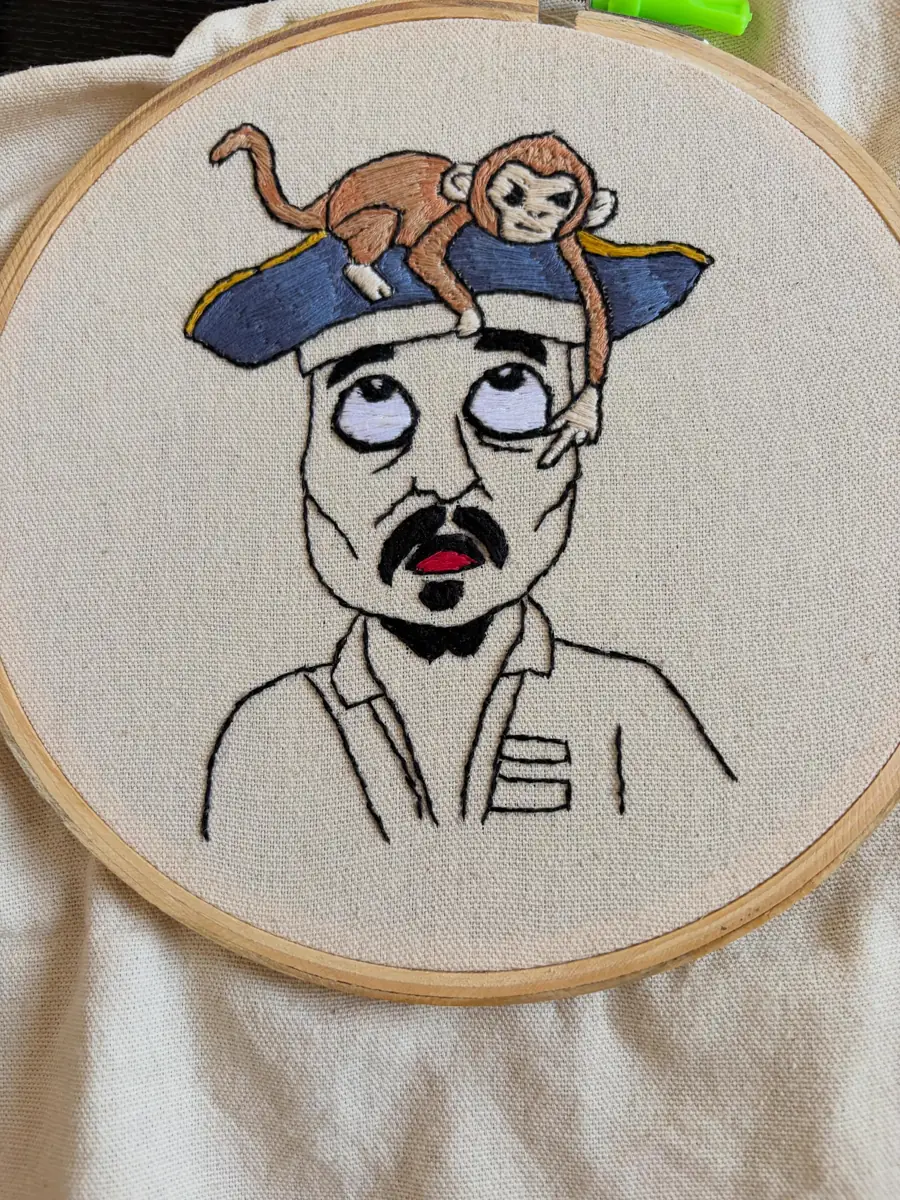
We are a small contemporary studio. We draw and stitch hoops, names and custom pieces by hand, and we do not practise the regional crafts in this guide. But every time we pick up a needle, we feel the weight of the makers who came before us. This post is our way of saying thank you to them, and of helping you recognise what you are looking at the next time you shop, inherit or admire a piece.
Key takeaways
- Chikankari from Lucknow is white-on-white shadow work built on stitches such as bakhia, phanda and jaali.
- Phulkari from Punjab uses shiny untwisted silk floss in a darning stitch on coarse khaddar cotton.
- Kantha from Bengal is based on the running stitch, traditionally used to layer old saris into light quilts.
- Zardozi is raised metallic work, kasuti is counted-thread geometry, and Kutch work is known for small mirrors.
- Turning a piece over is the quickest way to spot handwork: look for small knots and slight variation.
Why do traditional Indian embroidery styles matter?
Traditional Indian embroidery styles matter because they were never only decoration. Many pieces were made at home, often by women, for weddings, births and everyday use. A quilt might mark a new baby. A shawl might be part of a bride's trousseau. Motifs could hold wishes for luck, fertility or protection, passed down from mother to daughter.
Because these crafts grew inside communities, the same broad technique can look very different from one village to the next. Colour choices, motifs and stitch combinations become a kind of signature. That is why experts often talk about embroidery in terms of region and community, not just stitch.
Today, many of these crafts are kept alive by artisan clusters, cooperatives and families who have worked in them for generations. When you understand the styles, you are better placed to value the time behind them and to support the people who make them.
What is chikankari embroidery from Lucknow?
Chikankari is closely linked with Lucknow in Uttar Pradesh. Its classic form is white thread on fine white or pale fabric, such as muslin or mulmul, which gives it a cool, airy feel that suits Indian summers. Today you will also see it in pastels and on georgette, chiffon and cotton.
The beauty of chikankari lies in its quiet texture. Instead of loud colour, it uses a family of stitches to create light and shade on the cloth.
Stitches to look for
- Bakhia, or shadow work: a herringbone stitch worked on the back of sheer fabric so the thread glows softly through the front.
- Phanda and murri: tiny knotted stitches that form the centres of flowers and small raised dots.
- Jaali: open, net-like areas created by easing the threads of the fabric apart, without cutting it.
- Tepchi: long running stitches that often outline the design or fill leaves.
A tip for spotting handwork: turn the piece over. Hand chikankari usually shows slightly uneven stitches and small knots on the reverse, while machine versions tend to look too perfect and flat.
What is phulkari embroidery from Punjab?
Phulkari means flower work, and it comes from Punjab. It is traditionally worked in a darning stitch using untwisted silk floss, called pat, on hand-spun cotton cloth known as khaddar. The stitches are worked from the back, and long floats of shiny silk catch the light on the front.
When the whole surface is covered so densely that you can barely see the base fabric, the piece is often called a bagh, meaning garden. Phulkari has a strong association with weddings and family occasions, and heirloom pieces are treasured across Punjabi households.
How to recognise phulkari
- Bold geometric motifs built from straight, parallel stitches.
- Bright silk colours such as golden yellow, orange, magenta and green on a red, maroon or earthy base.
- A glossy, almost woven look, because the silk floss lies flat and changes shade as the light moves.
What is kantha stitch from Bengal?
Kantha comes from the Bengal region, spanning West Bengal and Bangladesh. At its heart is the humble running stitch. Traditionally, women layered old saris and dhotis together and stitched through them to make light quilts, wraps and covers, giving worn cloth a second life.
The rows of tiny running stitches give kantha its gentle, rippled texture. Decorated kanthas, often called nakshi kantha, carry motifs such as lotuses, fish, birds, animals and scenes from daily life and folk tales. Each quilt can feel like a page from a family diary.
Modern kantha is widely seen on saris, stoles and dupattas, where the running stitch may be used as an all-over texture or to outline printed designs. If you love the idea of sustainable, repair-first textiles, kantha is a beautiful example of that thinking from long before the word was fashionable.
Zardozi: gold and silver thread work
Zardozi is metallic embroidery, and it is the style most people picture when they think of bridal wear. It flourished under Mughal patronage and is associated with centres such as Lucknow, Agra, Bhopal and Hyderabad, among others.
Historically, zardozi used real gold and silver wire. Today, most work uses gilded or metallic threads, along with sequins, beads, pearls and coiled wire called dabka or nakshi. The fabric, often velvet, silk or satin, is stretched tight on a large wooden frame called an adda, and several artisans may work on one piece at once.
- Look for raised, three-dimensional motifs, often padded underneath.
- Expect paisleys, florals and vines in dense, glittering arrangements.
- Because it is heavy, zardozi is usually kept for occasion wear, wall pieces and ceremonial items.
Kasuti: counted-thread patterns of Karnataka
Kasuti is a folk embroidery of Karnataka, especially linked with the Dharwad region. It is a counted-thread craft: the embroiderer counts the threads of the fabric to place each stitch, so the design grows in precise geometric steps. Traditionally it decorates saris such as the Ilkal sari, as well as blouse pieces.
Well-worked kasuti often looks nearly identical on both sides, which is a sign of great skill. Motifs draw on temple architecture, chariots, lamps, flowers, birds and animals.
The four classic kasuti stitches
- Gavanti: a double running stitch that forms clean lines and outlines.
- Murgi: a zigzag version of the running stitch, used for stepped patterns.
- Negi: a running stitch that creates a woven effect.
- Menthi: a cross stitch whose small crosses resemble fenugreek seeds, which is where the name comes from.
Kutch work and mirror embroidery of Gujarat
The Kutch region of Gujarat is home to many embroidery traditions, each tied to a particular community. Rabari, Ahir, Mutwa and Soof work are just a few of the names you may hear. Together they are often loosely called Kutch work, though each has its own rules and character.
Common features include bright colours, dense chain stitch, interlacing, and small mirrors called abhla held in place with a ring of stitches. The mirrors were said to catch the harsh desert sun and sparkle during festivals and weddings. Kutch pieces appear as blouses, skirts, wall hangings, torans for doorways and bags.
Because styles differ so much between communities, the respectful approach is to ask the seller which community and village a piece comes from. A good seller will usually be happy to tell you.
More regional styles worth knowing
Beyond the best-known styles, India has many more regional embroidery traditions, including Kashida, Toda, Sujni and Lambani work. A few you may meet:
- Kashida from Kashmir: fine chain and satin stitch in motifs such as chinar leaves, birds and flowers, often on shawls and stoles.
- Toda embroidery from the Nilgiris: bold red and black geometric patterns on white cloth, made by the Toda community.
- Sujni from Bihar: running stitch on layered cloth, often telling stories and scenes from village life.
- Lambani embroidery: colourful work with mirrors, coins and patchwork, made by the Lambani community across parts of the Deccan.
If one of these catches your eye, it is worth reading more and, ideally, buying directly from artisan groups who work in that tradition.
How can you tell Indian embroidery styles apart?
You can tell Indian embroidery styles apart by checking the thread, the base fabric, the main stitch and any added mirrors or metal. This quick comparison covers the six styles in this guide.
| Style | Region | Signature look |
|---|---|---|
| Chikankari | Lucknow, Uttar Pradesh | White thread on sheer fabric with shadow work and tiny knots |
| Phulkari | Punjab | Shiny silk darning in bold geometric patterns on coarse cotton |
| Kantha | Bengal | Rows of tiny running stitches, often on layered cloth |
| Zardozi | Lucknow, Agra, Bhopal, Hyderabad and others | Raised, glittering metallic thread work with sequins and beads |
| Kasuti | Karnataka | Counted-thread geometric motifs that look alike on both sides |
| Kutch work | Kutch, Gujarat | Bright chain stitch and interlacing with small mirrors |
And always turn the piece over. Hand embroidery shows small knots, thread travel and slight variation. Our guide to hand embroidery vs machine embroidery explains what to look for in more detail.
How India's embroidery heritage inspires our studio
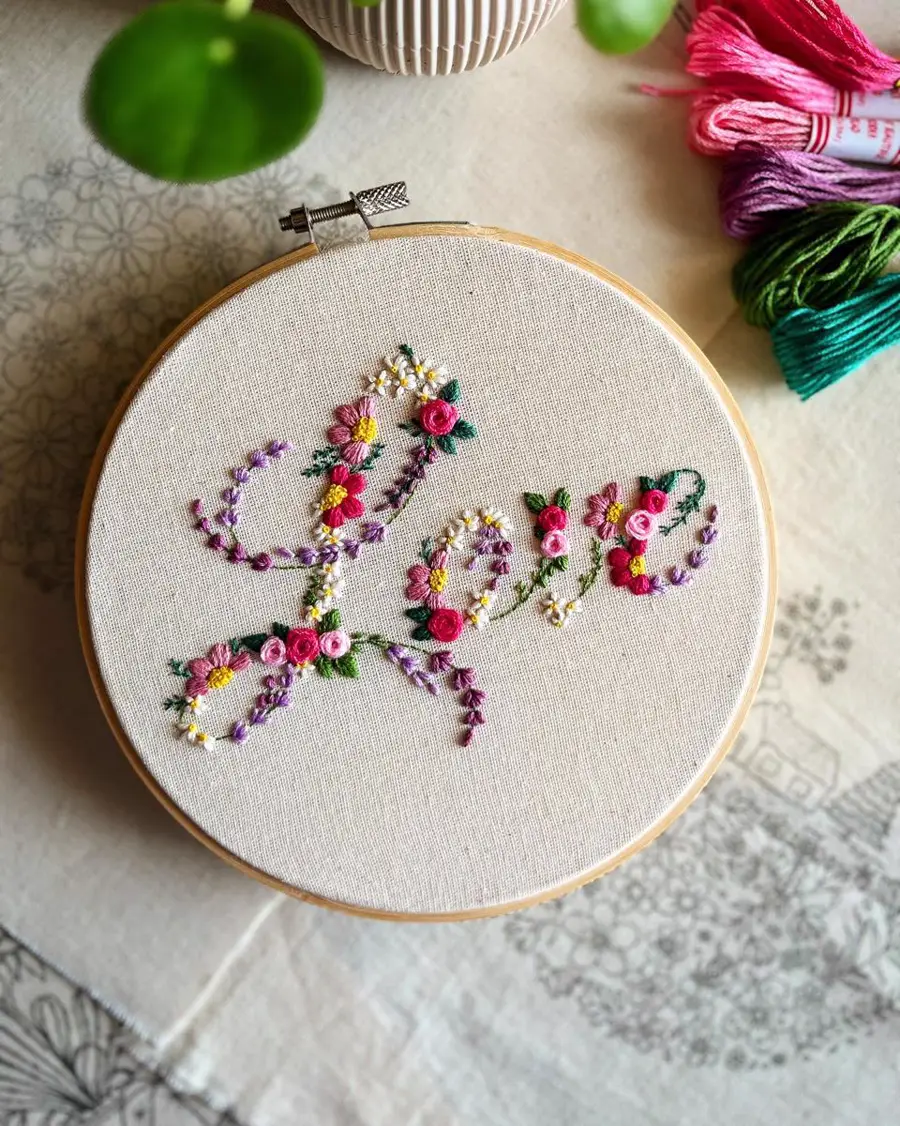
At Haré Creations we make contemporary pieces: character hoops, names in florals, cute portraits and custom keepsakes. We do not make chikankari, phulkari or any of the regional crafts above, and we would never want to borrow their names for our work. Those crafts belong to the communities that have kept them alive.
What we do share with them is the slow, patient spirit of the handmade. Everything we make is drawn and stitched by hand on cotton-linen with stranded cotton threads, using stitches such as backstitch, satin stitch, long and short stitch and French knots. If you are curious about those, our post on basic embroidery stitches is a good starting point.
You can see how a single hoop comes together, from pencil sketch to final details, on our process page. It will not look like zardozi, but you will recognise the same love of small stitches adding up to something bigger.
Caring for traditional embroidered pieces
Heirloom textiles deserve gentle care, especially through the Indian monsoon when humidity invites mould and insects. A few general habits help most pieces:
- Store folded pieces in clean cotton or muslin, not plastic, so the fabric can breathe.
- Refold heavy pieces now and then to avoid permanent creases along the same lines.
- Air them on a dry, shaded day, away from harsh direct sunlight that can fade silk and dyes.
- Keep metallic zardozi work away from damp and perfume, which can tarnish it.
- For valuable or fragile heirlooms, ask a professional textile conservator or trusted dry cleaner before washing.
For everyday embroidered clothes and hoops, our guide to caring for your embroidery covers washing, ironing and storage step by step.
Frequently asked questions
What are the most famous traditional Indian embroidery styles?
Some of the best known are chikankari from Lucknow, phulkari from Punjab, kantha from Bengal, zardozi metallic work, kasuti from Karnataka and the many community styles of Kutch in Gujarat. Kashida from Kashmir, Toda embroidery and Sujni from Bihar are also well loved. Each has its own stitches, colours and motifs.
What is the difference between chikankari and kantha?
Chikankari is a delicate style from Lucknow, classically white thread on sheer fabric, using a set of stitches such as shadow work, knots and open jaali. Kantha comes from Bengal and is built mainly on the running stitch, traditionally used to layer and quilt old cloth. They look and feel quite different once you know what to look for.
How can I tell if Indian embroidery is handmade?
Turn the piece over and look at the back. Handwork usually shows small knots, slight irregularities in stitch length and threads travelling between motifs. Machine embroidery tends to be very uniform, with a stiff backing and identical repeats across the design.
Does Haré Creations make chikankari or phulkari?
No. We are a contemporary hand-embroidery studio and we make character hoops, names in florals and custom pieces. We are inspired by India's embroidery heritage, but the regional crafts in this guide belong to the artisan communities who practise them.
How should I store an embroidered heirloom during the monsoon?
Wrap it in clean cotton or muslin, keep it somewhere dry and airy, and avoid sealed plastic bags that trap moisture. Air it on dry days and refold it occasionally. For very old or valuable pieces, it is best to consult a textile conservation professional.
Celebrate traditional Indian embroidery styles, and the makers behind them
Traditional Indian embroidery styles are a living heritage, carried forward by artisans, families and communities across the country. Learning to recognise them is the first step to valuing them, and to buying in a way that supports the people who keep them going.
If you would like a contemporary handmade piece for your own home or as a gift, you can browse our hand-stitched hoops and names or tell us your idea through a custom order. We will draw a sketch and share the price and timeline with it, so you know exactly what you are getting before a single stitch goes in.
Topics: traditional Indian embroidery styles, types of Indian embroidery, chikankari embroidery, phulkari embroidery Punjab, kantha stitch Bengal, zardozi work, kasuti embroidery Karnataka, Kutch mirror work embroidery